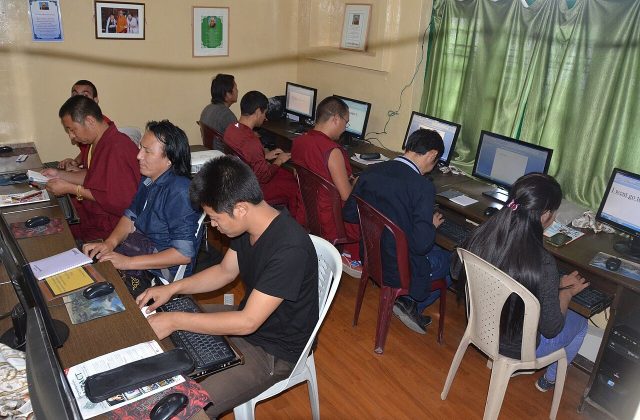
Finishing a computer course opens up two paths: getting a job, or working independently as a freelancer. Many students are attracted to freelancing because it promises flexible hours, the freedom to choose clients and the chance to earn from home. All of that is possible, but freelancing is also a small business, with its own challenges. This guide explains how to start freelancing after a computer course in a realistic, step-by-step way, from choosing a skill to getting paid safely.
Is freelancing right for you?
Before you start, be honest with yourself. Freelancing suits people who:
- Can work without a boss checking on them every hour
- Are comfortable talking to clients, asking questions and handling feedback
- Can manage irregular income, especially in the first few months
- Are willing to keep learning, because tools and trends change constantly
- Can manage time, deadlines and multiple small tasks
Many people start freelancing part-time alongside studies or a job. This is often the safest approach: you build experience and a client base without depending on freelance income from day one. Others take a full-time job first for a year or two, learn how real projects work, and then move to freelancing with more confidence.
Skills that sell: what you can offer after a computer course
Freelance clients pay for outcomes, not certificates. Think about which skills from your course can solve a clear problem for a business. Here is an overview of common freelance services linked to computer courses.
| Skill area | Typical freelance services | Typical clients | Related course |
|---|---|---|---|
| Web designing and development | Business websites, landing pages, WordPress setup, website updates and maintenance | Small businesses, clinics, coaching centres, startups | Web Designing |
| Graphic design | Logos, social media posts, brochures, menus, packaging, banners | Shops, restaurants, event organisers, agencies | Graphic Designing |
| Digital marketing | Social media management, SEO, Google Ads and Meta ads setup, content writing | Local businesses, e-commerce sellers, professionals | Digital Marketing |
| Accounting and Tally | Bookkeeping, data entry in Tally, GST-related accounting support | Traders, small firms, shopkeepers | Tally with GST |
| Office and Excel skills | Data entry, Excel reports, dashboards, document formatting, presentations | Offices, consultants, small businesses | Basic Computer |
Choose one main service to start with. “I design social media posts for restaurants and cafes” is much easier to sell than “I do everything related to computers”. You can expand later once you have experience and reviews.
Build a portfolio before chasing clients
Clients want to see what you can do before trusting you with their money. A portfolio is your proof. If you do not have client work yet:
- Create three to six sample projects that match the service you are offering.
- Do one or two projects for a family business, friend’s shop or local NGO, and ask for a short written review if they are happy.
- Present your work neatly on a simple website, Behance, a Google Drive folder or a PDF.
- For web developers, host live demo sites and share the links.
- For digital marketers, document what you did for a page or website and the honest results.
Designers should read our detailed guide on how to build a design portfolio that gets hired. Most of the same principles apply to freelance clients.
Where to find freelance work
Your local network
For beginners in India, the easiest first clients are often local: shops in your market, relatives’ businesses, coaching centres, doctors, CA offices and small manufacturers. Many still do not have a good website, active social media or organised Excel records. Visit, talk, show your samples and offer a clear service.
Freelance marketplaces
Platforms such as Upwork, Fiverr and Freelancer connect freelancers with clients worldwide. They can bring international work, but competition is high and new profiles take time to get noticed. These platforms charge service fees and their rules change from time to time, so read the current terms carefully before you start.
LinkedIn and social media
Optimise your LinkedIn profile with a clear headline, such as “Freelance WordPress Developer for Small Businesses”. Share your work, write short posts about what you learn and connect with business owners. Instagram works well for designers to showcase visual work.
Agencies and referrals
Many digital and design agencies outsource work to freelancers when they are busy. Reach out with your portfolio. Once you do good work for a few clients, referrals often become one of the most reliable sources of new projects.
Practical tip: When you approach a client, do not just send “I am a freelancer, please give me work.” Look at their current website or social media, point out two or three specific improvements you could make, and suggest one small first project. Specific suggestions get far more replies than generic messages.
Pricing your work without underselling yourself
Pricing is one of the hardest parts for beginners. Rates vary widely by city, skill level, client type and whether the client is in India or abroad, so there is no single correct number. Some guidelines:
- Research the market: look at what other freelancers with similar experience charge on platforms and locally.
- Price by project for clear tasks: for example, a fixed price for a five-page website or a set of 12 social media posts.
- Price by hour or month for ongoing work: such as monthly social media management or bookkeeping.
- Account for revisions and communication time, not just the time spent designing or coding.
- Avoid extremely low rates: they attract difficult clients and make it hard to raise prices later.
- Raise your rates gradually as your portfolio, speed and reviews improve.
Proposals, agreements and getting paid
Write a clear proposal
A good proposal includes what you will deliver, the timeline, the number of revisions included, the price, and what you need from the client (logo files, content, login details). Keep it short and professional.
Put the scope in writing
Even for small jobs, confirm the details by email or a simple written agreement. This protects both sides and reduces “scope creep”, where the client keeps adding work without paying more.
Take an advance
For new clients, it is common practice to ask for part of the payment in advance, with the rest on delivery or in milestones. For larger projects, split the work into stages and get paid at each stage.
Payment methods and records
Indian clients usually pay by UPI or bank transfer. International clients may pay through the freelance platform or services such as PayPal, Payoneer or direct bank transfer; check current fees and requirements on their official sites. Keep invoices and payment records organised, because you will need them for tax filing.
Taxes and legal basics in India
Freelance income is taxable in India, just like salary income, and you are responsible for reporting it. Some important points:
- Keep a record of all income and work-related expenses, such as software subscriptions, internet and equipment.
- File your income tax return if your income requires it. Freelancers may be eligible for specific tax provisions, but the rules can change each year.
- GST registration may become necessary once your turnover crosses the applicable threshold, and rules for services provided to clients outside India are different.
Because tax rules are detailed and change over time, it is wise to consult a chartered accountant or tax professional when you start earning regularly. If you have studied accounting, our Tally with GST guide explains the basics of GST and accounting work.
Avoid freelancing scams
Unfortunately, freelancers are also targeted by scammers. Be cautious if:
- A “client” asks you to pay a fee to receive a project or join a platform
- Someone sends a cheque or payment larger than agreed and asks you to refund the difference
- A client wants to move off a freelance platform immediately before any payment is made
- You are asked to download unknown software or share your bank login details
Our article on cyber safety tips for students explains common online scams and how to report them.
Grow from first gig to steady income
- Deliver on time and communicate: reliability is often more valuable to clients than brilliance.
- Ask for reviews and referrals after every successful project.
- Offer ongoing services such as website maintenance, monthly social media or regular bookkeeping for more stable income.
- Keep upgrading your skills with new tools and techniques in your field.
- Track your time and income in a simple Excel sheet to see which clients and services are worth your effort.
Key takeaways
- Freelancing is a small business: it needs skills, discipline, communication and patience.
- Start with one clear service and build a portfolio of sample and real projects.
- Local businesses are often the easiest first clients, while marketplaces need more time and effort.
- Use written scope, advance payments and organised invoices to protect yourself.
- Understand your tax responsibilities and consult a professional when your income grows.
The right skills make freelancing far easier. Explore our courses in web designing, graphic designing, digital marketing and Tally, or contact NETWORK NET to discuss which course fits your freelancing goals.
Frequently asked questions
Can I start freelancing right after completing a computer course?
Yes, but start small. Build a few portfolio projects, offer one clear service and begin with local or small clients. Many people freelance part-time first and grow it gradually as they gain experience and reviews.
Which computer skills are best for freelancing?
Web designing and development, graphic design, digital marketing, accounting with Tally, and Excel or data work are all in demand among small businesses. Choose a skill you enjoy and can deliver at a professional standard.
How much can a beginner freelancer earn in India?
Earnings vary widely by skill, city, client type and experience, so there is no fixed figure. Income is often irregular at the start and tends to grow as your portfolio, reviews and repeat clients increase.
Do freelancers in India need to pay tax?
Yes. Freelance income is taxable and must be reported when you file your income tax return. GST registration may be needed above certain turnover limits. Rules change, so consult a chartered accountant for advice on your situation.
Should I use Fiverr or Upwork as a beginner?
They can be useful, but competition is high and new profiles take time to win work. Many beginners find it easier to get their first clients locally or through referrals, while slowly building a platform profile alongside.